
The First 72 Hours After a Move: A Readiness Playbook
A practical 72-hour, room-priority plan to create move-in readiness fast—reducing moving stress and preventing temporary piles from becoming permanent.
Hours 0–24: Stabilize the essentials (sleep, hygiene, and power)
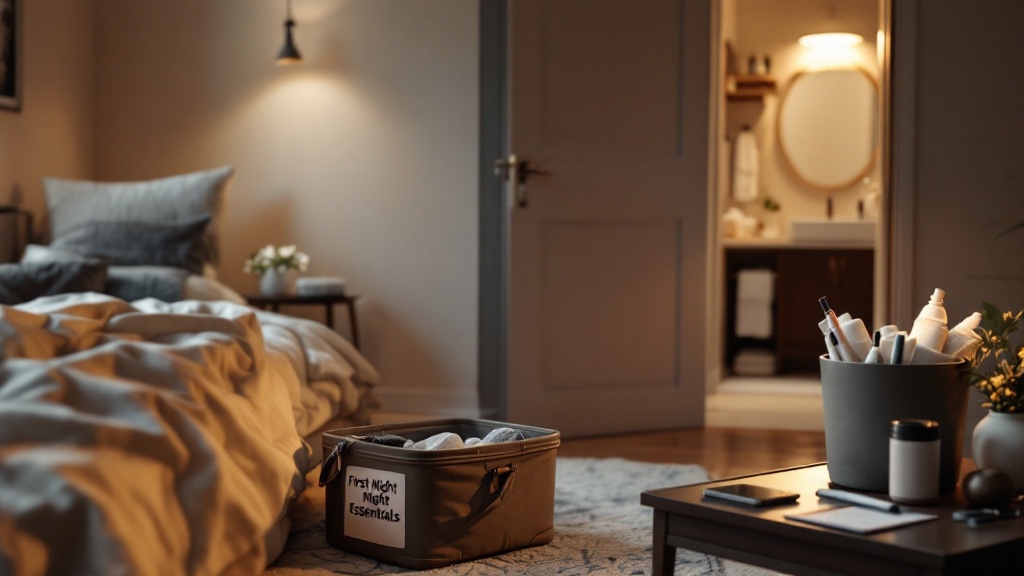
The first day isn’t about “unpacking”—it’s about move-in readiness. Your goal is to get the house livable enough to sleep, shower, and charge devices without hunting through boxes. Start by setting a simple command area (one table or counter) for keys, chargers, paperwork, and a marker. Then triage boxes by room, even if you don’t open them yet: stack all kitchen boxes together, all bathroom boxes together, and so on. This prevents the “where does this go?” loop that drives moving stress.
Prioritize beds/baths first. Make beds immediately (sheets, pillows, blankets) and create a “first-night” bin if you haven’t already. In bathrooms, unpack towels, toilet paper, soap, shower curtain, and basic toiletries. Keep decisions minimal: one working setup beats five half-finished options. Use a quick checklist so nothing critical gets missed, and ignore décor, books, and memorabilia for now. If you’re in a relocation rush, this sequence gives you calm and capacity for day two.
Hours 24–48: Make the kitchen functional with zones (not perfection)
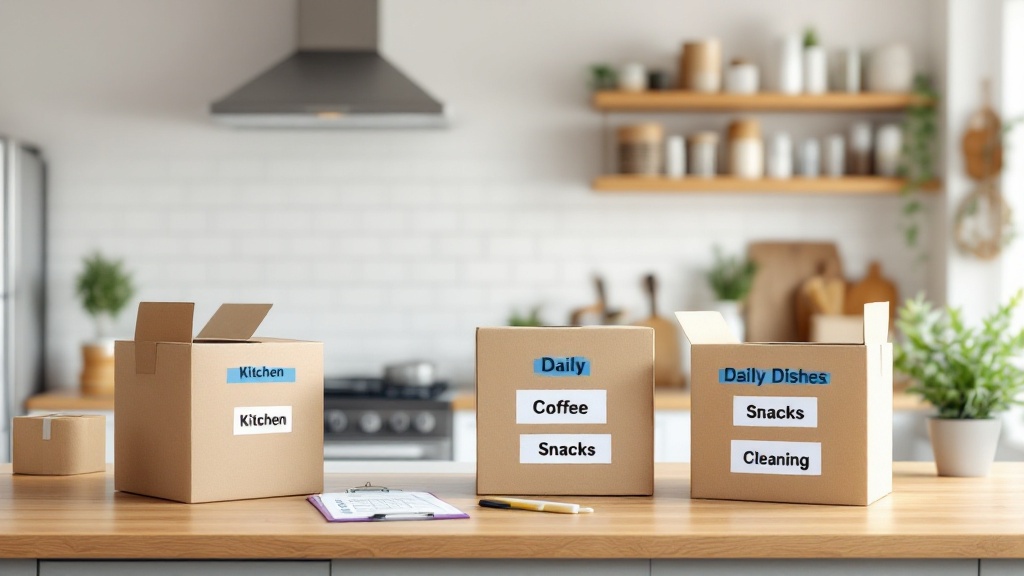
Day two is your biggest quality-of-life win: a working kitchen. Don’t aim for Instagram; aim for repeatable home organization. Unpack in this order: coffee/tea setup, one set of dishes, utensils, a cutting board + knife, basic pantry staples, and trash/recycling. Create “good enough” zones—Cook, Eat, Store, Clean—and keep like with like. If you can make breakfast, pack lunches, and wash dishes, you’ve reduced stress and the temptation to buy duplicates.
To prevent temporary piles from becoming permanent, label zones early (painters tape works) and assign homes before you fully unpack. For example: one drawer for daily utensils, one shelf for breakfast items, one bin for snacks. Keep an “unknowns” box for items you can’t place yet—set a timer and stop when you hit decision fatigue. Many families and corporate relocation clients use this approach because it’s fast, scalable, and aligns well with simple checklists (or a structured intake plan like MoveIn Method crews follow).
Hours 48–72: Close the loop—clear waste, lock systems, and protect your future self
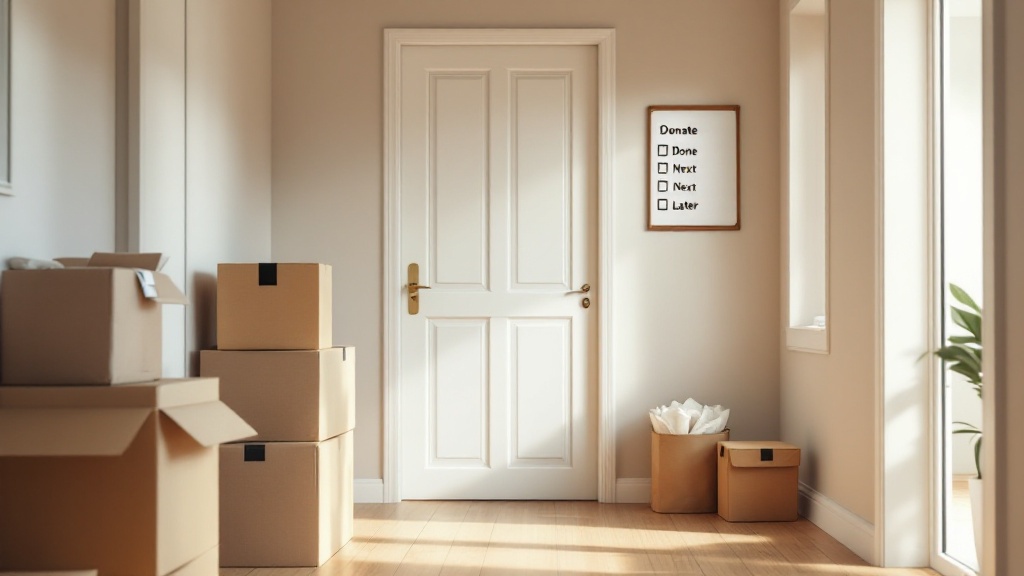
By day three, your biggest risk isn’t unfinished rooms—it’s the rise of “temporary piles.” This is where many moves stall and move-in readiness quietly disappears. Do a fast whole-home sweep: consolidate packing paper, break down boxes, and schedule a donation drop-off or pickup for approved items. Clearing waste creates visible progress and makes rooms usable, which lowers moving stress for everyone.
Next, lock in the systems you started. Walk each room and ask: Do the essentials have a home? Is it labeled? Is the pathway clear? Add simple labels to high-traffic storage (linen closet shelves, kids’ snack bin, charging drawer). Keep one “later” tote per person—not ten piles per room. Finally, set a 30-minute calendar block one week out to handle non-urgent categories (decor, books, seasonal items). This prevents the all-or-nothing burnout cycle.
If you’re supporting a corporate relocation timeline, this 72-hour closeout also documents what’s done, what’s pending, and what’s needed—turning chaos into an actionable plan with checklists and repeatable home organization habits.